Most organizations roll out AI the same way they roll out any new tool: licenses, demos, training, and a big announcement.
And then they wonder why adoption stalls.
The issue usually isn’t awareness. It’s behavior.
AI doesn’t change outcomes just because it exists. It changes outcomes when people use it as part of how work actually gets done. That makes AI less of a productivity play and much more of a behavior change challenge.
Here’s where adoption most often breaks down:
Workflow design
If AI isn’t embedded into everyday workflows, it stays optional. And optional tools are easy to ignore when deadlines and habits take over.
Trust
People need confidence in the tool, the data, and the signals they receive from leaders. Using AI shouldn’t make someone feel slower, less capable, or replaceable. If that fear exists—even quietly—adoption will stall.
Signals and incentives
If success is still measured the old way, people will default to old behaviors. Behavior follows what’s rewarded.
When AI adoption stalls, it’s rarely a tool problem.
It’s a leadership and behavior problem.
The most effective organizations don’t start with sweeping AI programs. They start small:
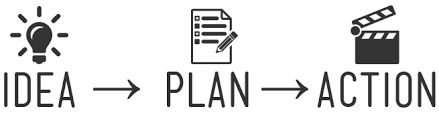
- Identify a few high‑frequency tasks
- Redesign them with AI in mind
- Create space to practice and normalize learning
Small behavior shifts, reinforced daily, outperform big AI announcements every time.
So here’s the question I’ll leave you with:
Where is AI adoption stalling for you—workflow, skills, trust, or the signals people receive?
And what’s one task you could redesign this month to make AI part of how work actually happens?